


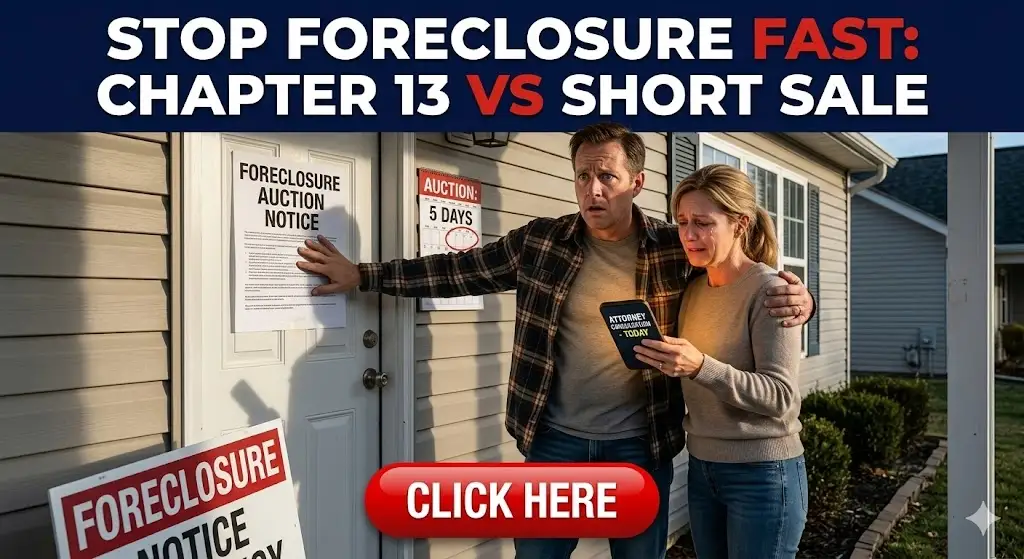
You got a foreclosure notice and the auction date is weeks away — maybe even days. Your stomach dropped. Your mind is racing. Now what?
Here's the thing: you still have options. Knowing how to stop foreclosure auction last minute with Chapter 13 bankruptcy — or a short sale — could be the difference between losing everything and getting a real second chance. This article breaks down both paths in plain English so you can make a smart, fast decision.
Why Foreclosure Happens So Fast (And Why Most People Wait Too Long)
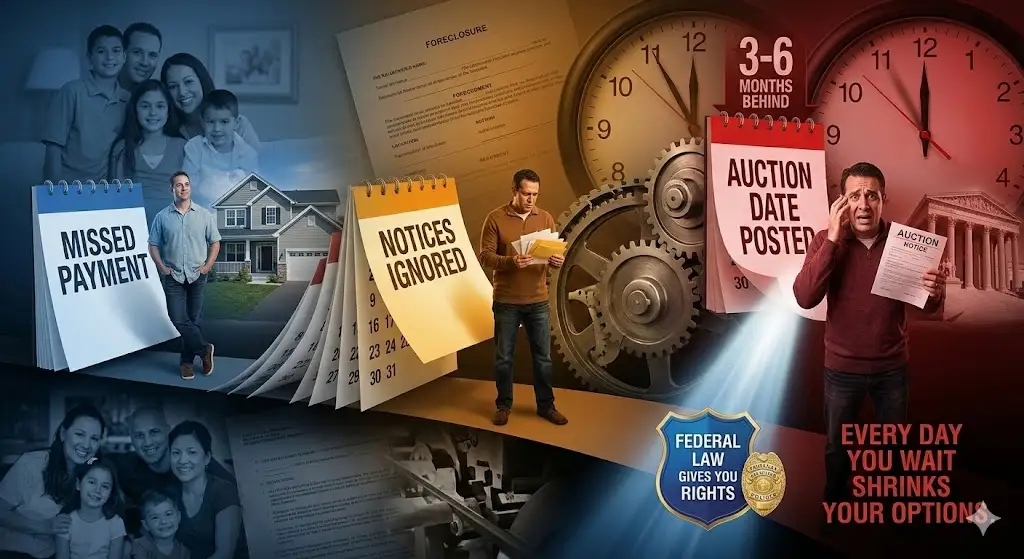
Banks don't want your house. They want their money. But once you miss a few payments and ignore notices, the foreclosure machine kicks into gear — and it moves faster than most homeowners expect.
By the time you see an auction date posted, you're likely already 3–6 months behind. The clock is ticking. And every day you wait without taking action shrinks your options.
The good news? Federal law gives you certain rights that can pause or stop the process entirely — even at the last minute.
What Is Chapter 13 Bankruptcy? (And How It Stops Foreclosure)
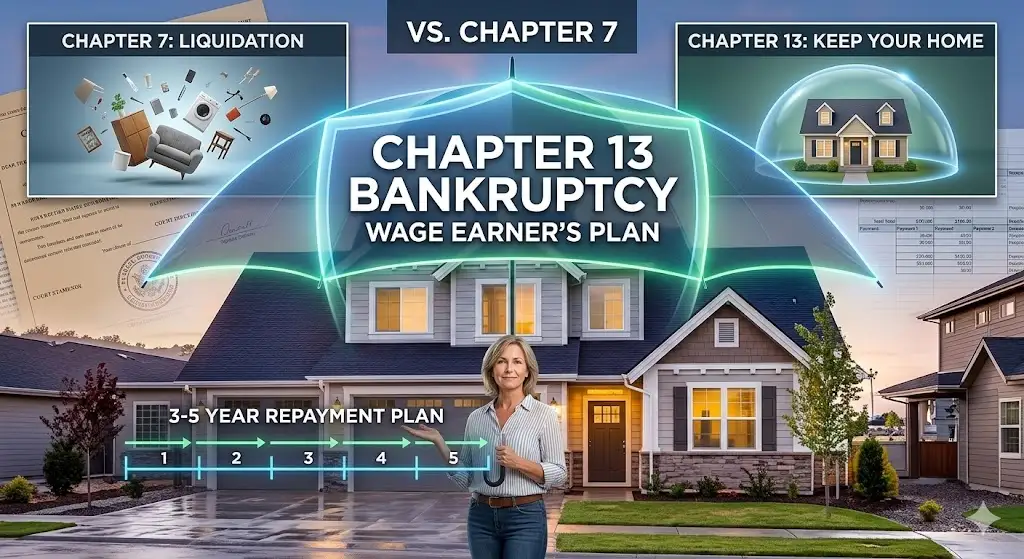
Chapter 13 bankruptcy is often called the "wage earner's plan." Unlike Chapter 7, which liquidates assets, Chapter 13 lets you keep your home while reorganizing your debt over a 3–5 year repayment plan.
The Automatic Stay: Your Most Powerful Tool
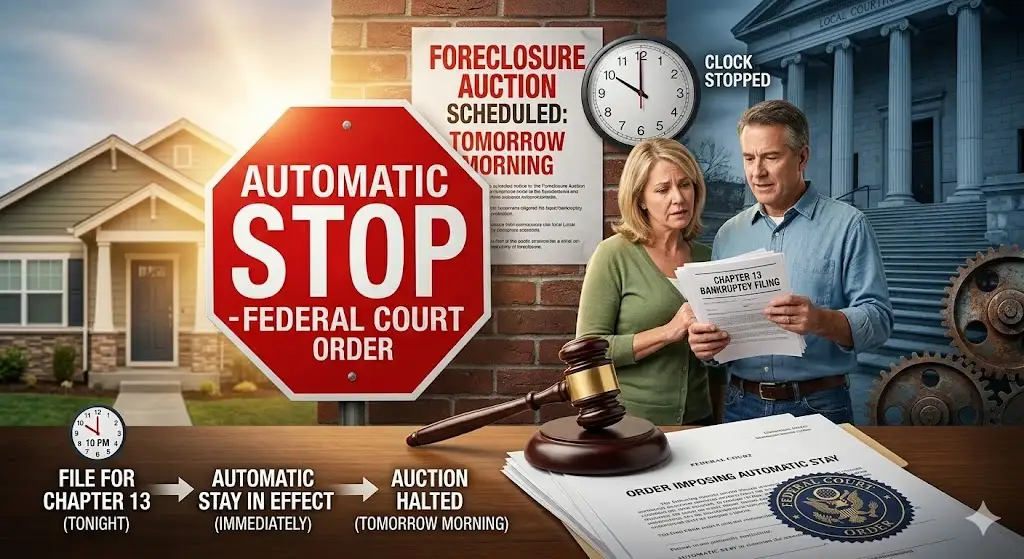
The moment you file for Chapter 13, something called an automatic stay goes into effect. This is a federal court order that immediately halts all collection actions — including a scheduled foreclosure auction.
It doesn't matter if the auction is tomorrow morning. Filing tonight can stop it.
How Chapter 13 Handles Mortgage Arrears
Here's what makes Chapter 13 unique for homeowners: you can spread your missed mortgage payments across your repayment plan. So instead of owing $18,000 in arrears all at once, you pay it back gradually — while also keeping up with your current mortgage.
This is a lifeline that a Foreclosure Defense Attorney can help you structure correctly, because one mistake in your filing can get your case dismissed and the auction rescheduled.
Bankruptcy Filing Fees and What to Expect
Filing for Chapter 13 isn't free. As of 2024, the bankruptcy filing fees are around $313 for Chapter 13. Attorney fees typically range from $3,000 to $6,000+ depending on complexity and your location.
Yes, that's real money. But compare it to losing your home equity, your credit history, and potentially your family's stability — and suddenly those fees look like a bargain.
Some attorneys offer payment plans, and in genuine hardship cases, you may be able to get fees waived.
What Is a Short Sale? (And Is It Better Than Bankruptcy?)
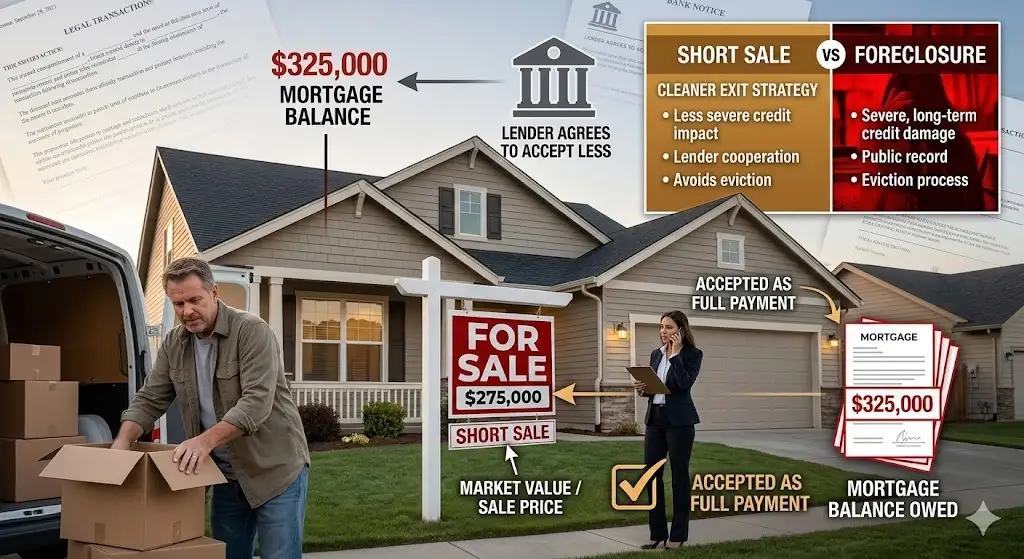
A short sale is when your lender agrees to let you sell your home for less than what you owe — and accepts that amount as full payment. It's not ideal, but it's far better than foreclosure on your credit report.
When a Short Sale Makes Sense
Short sales work best when:
- You owe more than the home is worth (underwater mortgage)
- You don't have steady income to support a Chapter 13 repayment plan
- You've already decided you don't want to keep the house
- You want to exit cleanly with less credit damage
A Distressed Property Buyer — often a real estate investor — may approach you directly offering a quick cash purchase. These deals close fast, sometimes in 2–3 weeks. But be careful: some investors lowball significantly. Always get an independent valuation first.
Short Sale vs Foreclosure: The Credit Impact
| Event | Credit Score Drop | Stays on Report |
|---|---|---|
| Foreclosure | 100–150 points | 7 years |
| Short Sale | 50–130 points | 4–7 years |
| Chapter 13 Bankruptcy | 100–150 points | 7 years |
Neither option is painless. But a short sale, handled correctly, typically leaves less of a scar than letting the bank auction your home.
Chapter 13 vs Short Sale: Head-to-Head
Let's get real about both options side by side:
You Should Consider Chapter 13 If...
- You want to keep your home
- You have a stable income to fund a repayment plan
- Your mortgage arrears are manageable (typically under $30,000–$40,000)
- You have other unsecured debts (credit cards, medical bills) you want to reorganize simultaneously
- The foreclosure auction is days away and you need an immediate legal stop
You Should Consider a Short Sale If...
- You've already decided to leave the home
- You're underwater on your mortgage with no equity
- Your income is too unstable for a 3–5 year repayment commitment
- You want to avoid the long-term stigma of a bankruptcy on your record
In both cases, talking to a qualified Foreclosure Defense Attorney early is the single most important step you can take.
What About Mortgage Loan Modification?
Before committing to either path, it's worth asking your lender about a Mortgage Loan Modification. This is when the bank agrees to permanently change the terms of your loan — lowering your interest rate, extending your repayment period, or even reducing your principal balance.
Modifications don't require court filings or bankruptcy. And if approved, they can make your original loan sustainable going forward.
The catch? Lenders don't have to approve modifications, and the process can take months — time you may not have if the auction is imminent. But it's worth a call to your servicer's loss mitigation department, ideally with a housing counselor from a HUD-approved agency on your side.
Some Chapter 13 plans are actually structured alongside a pending modification, giving you legal protection while the lender reviews your application.
Step-by-Step: What to Do Right Now
If you're reading this and the foreclosure clock is ticking, here's your action plan:
- Find out your exact auction date. Check your county courthouse website or call the trustee listed in your foreclosure notice.
- Call a Foreclosure Defense Attorney today. Many offer free consultations. Explain the timeline immediately.
- Gather your financial documents. Pay stubs, bank statements, tax returns, mortgage statements, and a list of all debts.
- Ask your lender about loss mitigation. Request a Mortgage Loan Modification in writing.
- If Chapter 13 is the path, file ASAP. Your attorney will prepare your petition. Filing — even a bare-bones emergency filing — triggers the automatic stay.
- If a short sale is the path, vet any Distressed Property Buyer carefully. Use a licensed real estate agent who has short sale experience.
Common Mistakes That Kill Your Chances
- Waiting too long. This is the big one. People freeze when they're scared.
- Not disclosing all assets in a bankruptcy filing. This is federal fraud.
- Accepting the first cash offer from an investor without comparison shopping.
- Missing Chapter 13 plan payments after filing. If you miss payments post-filing, the automatic stay can be lifted and the bank can reschedule the auction.
- Trying to DIY a bankruptcy filing without an attorney when the timeline is this compressed.
Frequently Asked Questions
Can I file Chapter 13 the day before a foreclosure auction?
Yes — technically. Courts accept emergency filings that can halt a scheduled auction. But this is extremely high-stakes, and you need an experienced bankruptcy attorney to do it correctly. A botched filing won't protect you.
Will Chapter 13 erase my mortgage debt?
No. Chapter 13 helps you catch up on arrears and reorganize other debts, but your mortgage remains. You keep the home and keep paying for it — just under better, legally protected terms.
How long does the Chapter 13 automatic stay last?
As long as your case is active — typically 3–5 years. If your case is dismissed, the stay lifts and foreclosure can resume. This is why staying current on your plan payments is critical.
What are the income requirements for Chapter 13?
You need regular income sufficient to fund a repayment plan. There's also a debt limit — as of 2024, secured debts must be under approximately $1.395 million. A bankruptcy attorney can confirm eligibility based on your specific situation.
The Bottom Line
Facing foreclosure is terrifying. But the worst thing you can do is nothing.
Whether you pursue Chapter 13 bankruptcy to keep your home, explore a short sale to exit cleanly, or push for a Mortgage Loan Modification to reset your loan terms — you have more power than you think. Federal protections exist specifically for moments like this.
The key is acting fast and getting the right help. A Foreclosure Defense Attorney isn't a luxury in this situation — they're your best shot at a real outcome.
Don't let the auction date be the last chapter of your story. Take one step today: make the call, find the attorney, file the paperwork. Knowing how to stop foreclosure auction last minute with Chapter 13 bankruptcy could save everything.
Thanks for reading all the way through — this stuff isn't easy to face, and you should be proud for looking for answers instead of hiding from them. Have questions, thoughts, or your own experience to share? Drop them in the comments below. Your story might help someone else in the same boat.
Disclaimer: This article is for informational purposes only and does not constitute legal or financial advice. Consult a licensed bankruptcy attorney or HUD-approved housing counselor for guidance specific to your situation.